How does a range hood vent get routed in a Riverside kitchen
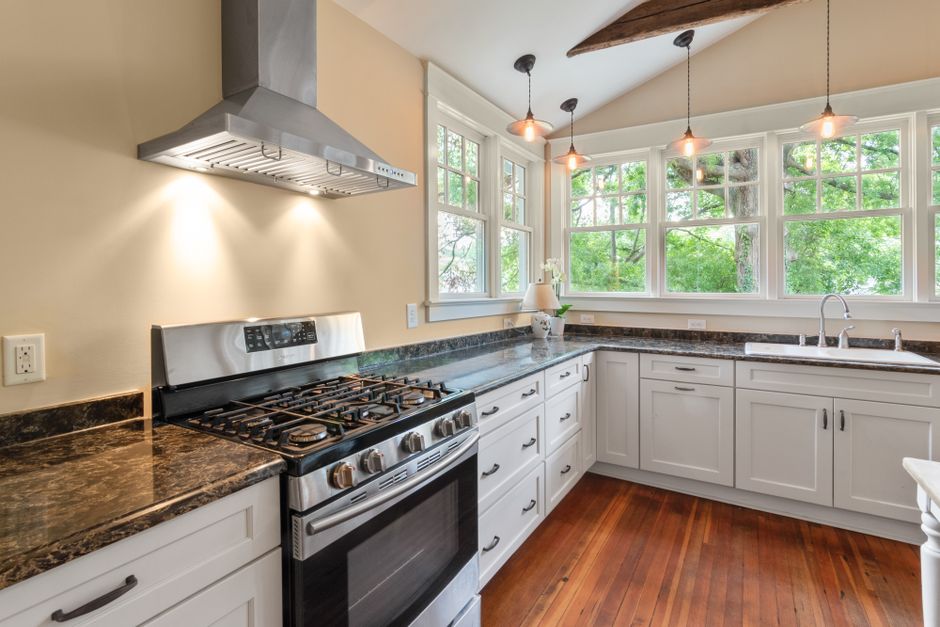
Climb into the attic with a flashlight and trace where the old hood actually ends, since the breakdown sitting on riverside kitchen remodelers sancd lists the common surprises in order. In a single story kitchen in Riverside, CA the duct often stops at a chopped-off stub or never existed at all.
Vented against recirculating
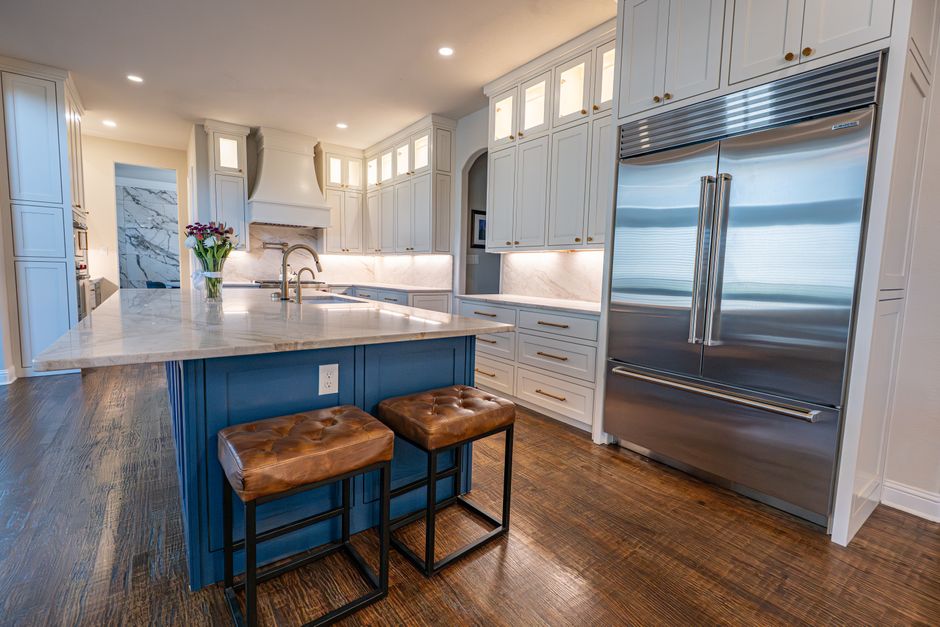
A recirculating hood pushes grease-laden air through a charcoal filter and back into the room. It removes smoke poorly and does nothing for moisture or heat. A vented hood carries the air outdoors, which is the route a gas range or a heavy skillet cook really wants in the Inland Empire, where the kitchen is warm enough already.
The duct run through the attic
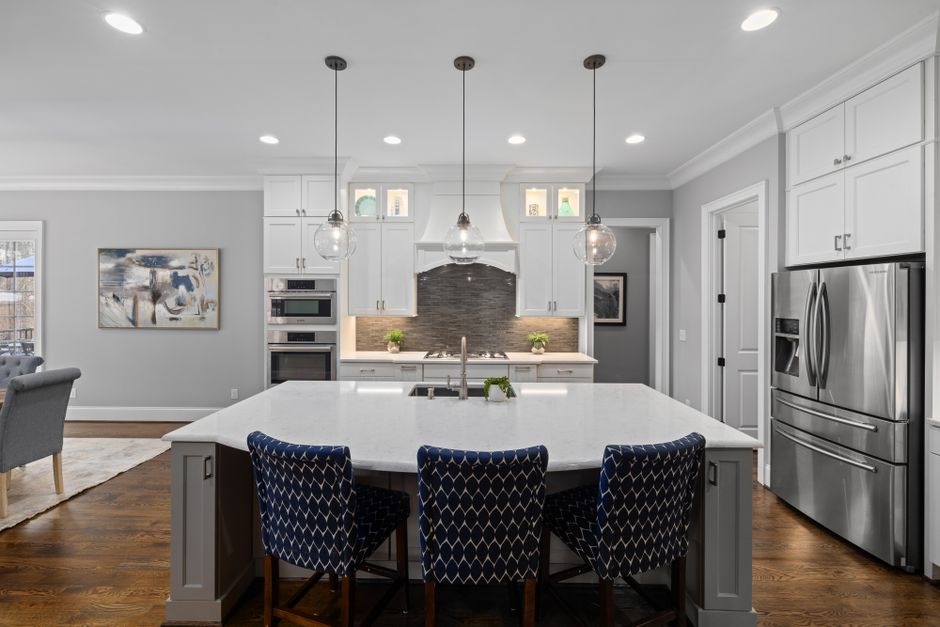
The straightest path wins. Every elbow adds resistance, so a run that goes up, makes one bend and exits through the roof moves more air than a run with four turns across the joists. The duct is rigid metal, sized to match the hood outlet, with seams sealed and no flexible foil pipe. Attic temperatures in Riverside County summers sit far above the room, so insulating the duct sleeve keeps condensation from dripping back down the pipe.
Roof jack or wall exit
On houses with tile roofs near Mount Rubidoux, a roof jack needs a tile cut and a flashing lapped under the course above, which should be done by someone who has worked on that tile profile. An outside wall exit is easier when the range sits against an exterior wall, with a damper that closes when the fan is off so hot air and insects stay out.
Make-up air
A hood that moves a few hundred cubic feet a minute pulls that air from somewhere. In a tight, newer house it can starve a gas water heater or reverse its draft. Larger hoods in the code require a make-up air opening, a damper tied to the fan so it opens when the fan runs.
Sizing and noise
Hood width should match or slightly exceed the cooktop below it, and the height above the cooking surface is set by the manufacturer, usually twenty-four to thirty inches. A fan rated high but ducted through a small pipe is loud and moves little air, so the duct diameter on the plan matters more than the number on the box. The Mission Inn kitchens of old had giant hoods for a reason, and a home range needs only a fraction of that.